

Cuisines of Bihar
Cuisines of Bihar
Bihar state is famous for its rich history as much as it is known in India for accommodating its simple and straightforward masses who love variety of foods. The inhabitants of this state are therefore realistic and of course known in the country for a sense of hospitality. This distinction doesn’t end here. They always love good food. In fact Bihari cuisine is famous in entire northern region of the country due to it being distinct in many aspects. As the state is culturally vibrant its food varieties are vividly known in the country. Its extensive richness in agriculture and various other resources are known to the world but equally do marvel state’s diverse food culture.
Unique feature of Bihar’s food or multi-cuisine is that it maintains simplicity yet remains one of the most appealing food choices in the country. Its freshness and goodness in both vegetarian and non-vegetarian foods always give mouthwatering feel to everybody willing to taste a food which any food lover admire and can’t ignore. As rich culture and tradition of this region prevails since many centuries, inhabitants of Bihar always like the nutritious diets of their choice. It is worth noting that people usually prefer vegetarian food as much as they explore other varieties from the array of non-vegetarian dishes they love to eat.
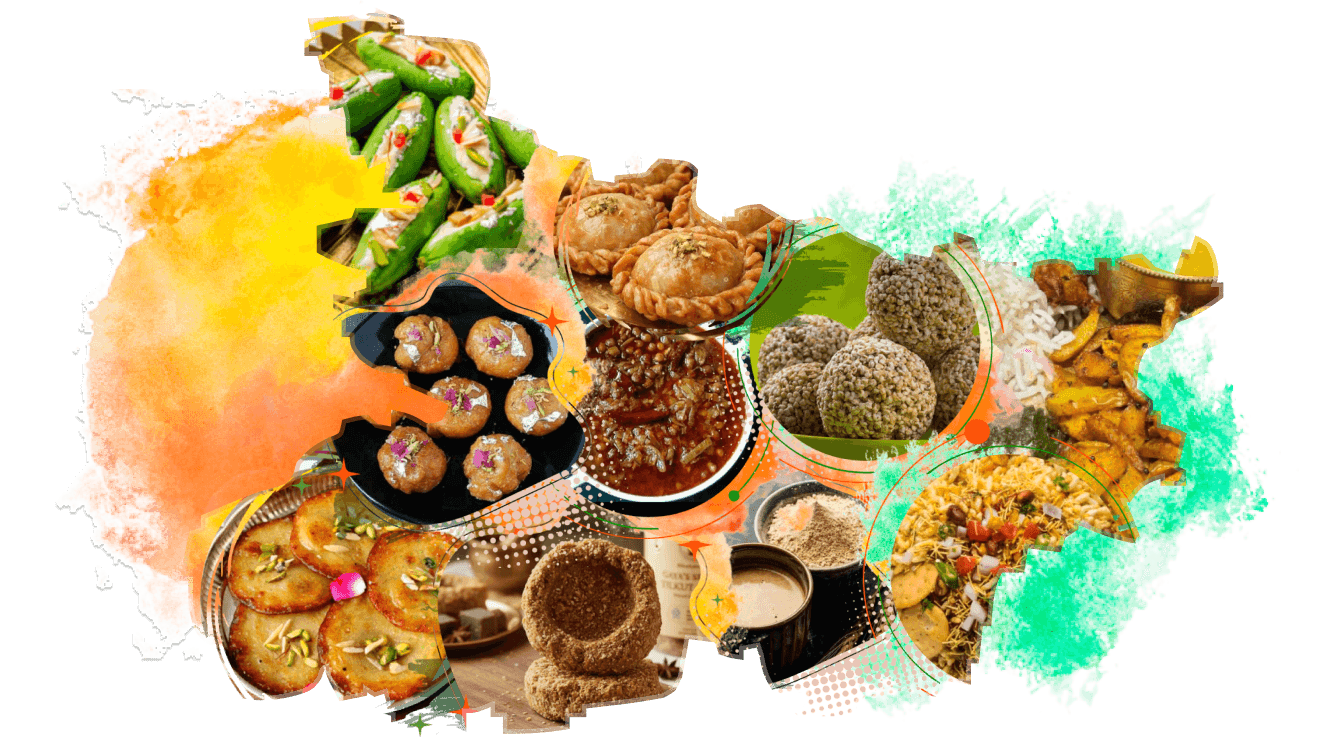
Famous Dishes of Bihar
The food culture of this state is mainly of vegetarian nature when it comes to portraying traditional Bihari food habits is concerned. No matter what dish you choose from the Bihari cuisine you can easily analyze that they are very much simple still popular and full of taste and most importantly it takes no additional efforts for their preparation. Equally are Bihar’s dishes satisfying for food lovers exploring variety because they all don’t have any type of complex ingredients? Such meals bring a sense of satisfaction in a person who feels fuller after eating them. Some of the notable dishes of Bihar are as follows
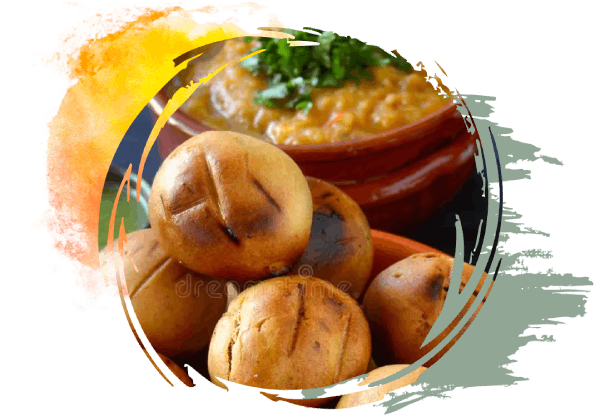
Litti Chokha
The lip-smacking taste of Litti Chokha, savoured by one and all, needs no introduction. It is your grand welcome to the food of Bihar, in all its ghee-dripping glory. It consists of wheat and sattu with spices, kneaded into round spicy balls, dipped in ghee. The texture of Litti along with the crunchy crust makes it a foodie’s delight. Chokha is prepared by mashing boiled vegetables (most common being potatoes, brinjal, tomatoes), adding spices and chopped onion, garlic etc and served with Litti as a complimentary delicacy
Sattu or fried gram flour forms a distinctive element of Bihari food and cuisine. The sattu is mixed with spices and filled in wheat dough balls, rolled and cooked with ghee on a hot plate to form sattu paratha which is also called makuni.
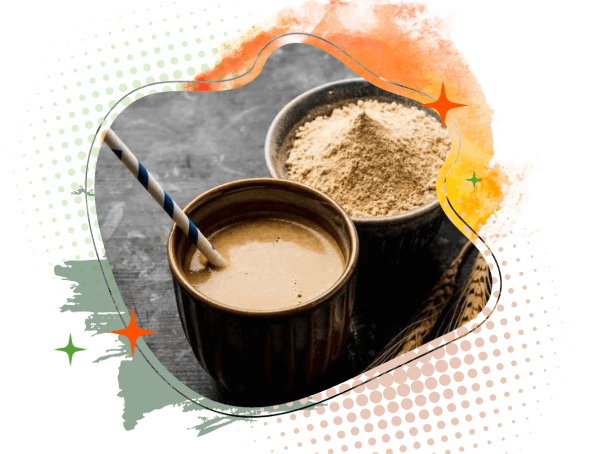
Sattu Sarbat
Sattu drink or sattu ka namkeen sharbat is very popular traditional summer drink, originated in Bihar.
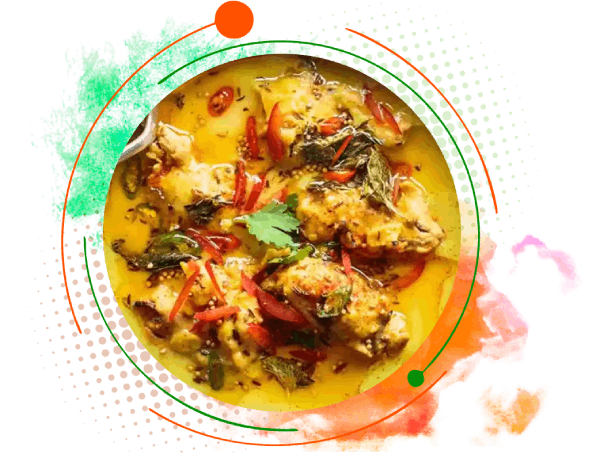
Kadhi Bari
Kadhi Bari is again an exclusive dish from Bihar. This is served with steamed rice and not usually with roti. Besan or gramflour is the main ingredient. You can have this dish any time of the year, but it is mostly had in summers. Accompaniments should be some dry subzi or pakodas, even dry baris or fritters which are not dipped in the gravy or kadhi can accompany this dish. Top the kadhi with achaar and some sweet chutney and exclusive Bihari khana is ready.
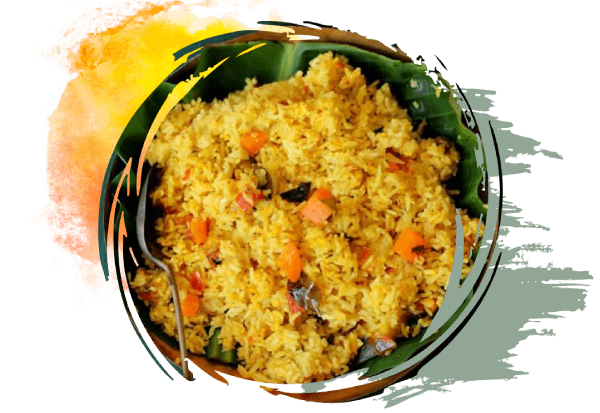
Khichdi
Special Bihari Khichdi is known in whole state and is prepared by mixing rice, dal and different types of seasonal vegetables. All ingredients are mixed together to cook in such way that they offer distinct food taste as a combination dish. Ghee is served with this dish to enhance its taste.
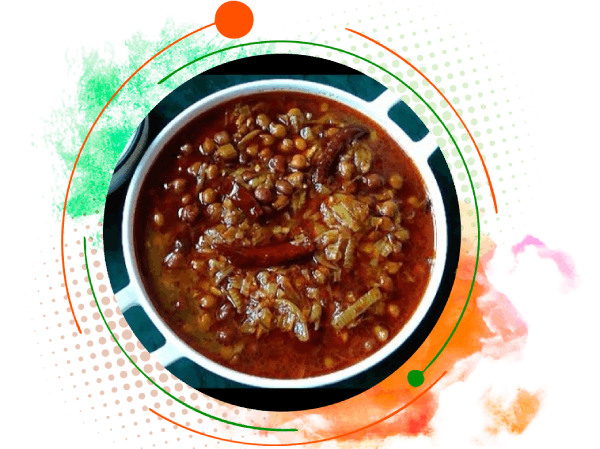
Chana Ghugni
Chana Ghughni is a spicy-tangy evening snack item from the food of Bihar. Extremely common yet equally delicious, this mouth-watering snack is prepared in almost every household of Bihar. Boiled chickpeas, fried with onion and spices along with “Chuda ka bhuja” (flattened rice) makes it a perfect answer to satisfy your hunger! Flattened and dried gram is also used to make other salty snacks.
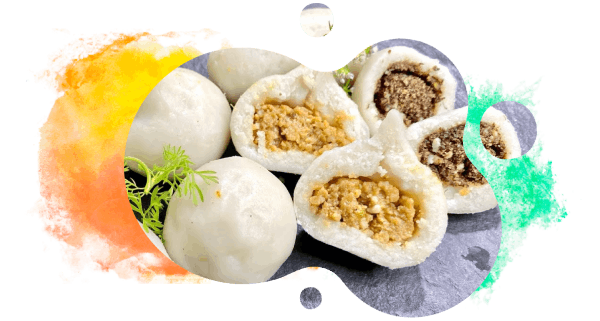
Pittha
Prepared in a local style, Pittha is very much like famous momos but they offer different taste and are prepared either in salty or sweet depending on one’s choice. Semi-circular/ball shaped Pitthas are prepared from soft rice flour crusts, channa daal lentil paste, or poppy seeds are steamed in water/ milk to give the final shape.
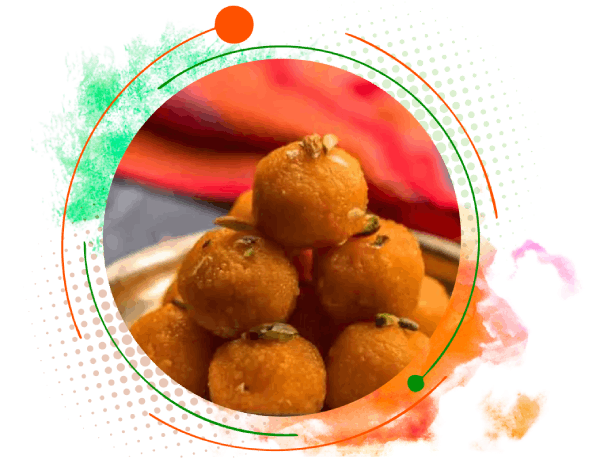
Laddoo (Maner)
When the talk is about Bihari cuisine, one cannot forget the laddoo of Maner. Laddoo is a ball shaped sweet made of gram flour, sugar, ghee. Though, it is sold in every sweet shop, the laddoo made in Maner, about 30km west of Patna, are famous and the best.
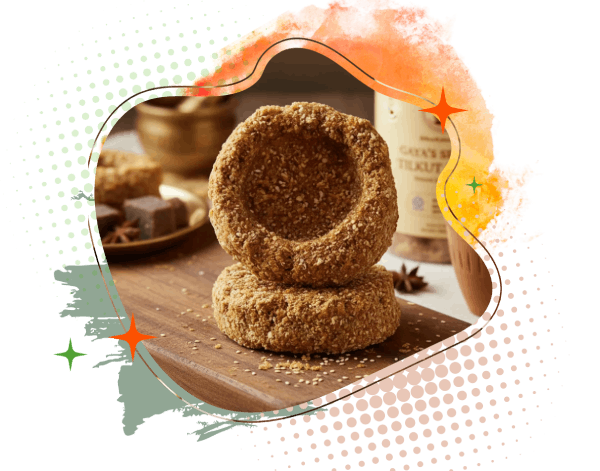
Tilkut (Gaya)
Tilkut is a sweet made in the Indian states of Bihar. This is also known as "Tilkatri". It is made of pounded 'tila' or sesame seeds (Sesamum indicum) and jaggery or sugar. The best tilkut is said to be from Gaya. References to this dry sweet is found in the Buddhist literature as palala. Normally, three types of tilkuts are available — the refined sugar tilkut is white in colour, the sakkar tilkut is made of unrefined sugar and is light brown in colour and the gur tilkut is made of jaggery and is dark brown in colour. Each of these varieties have their own flavour. The circular shaped savoury is called tilkut and the smaller nut-sized ones are called tillouri. Tilkut is generally associated with Makar Sankranti, the harvest festival and eaten during this time.
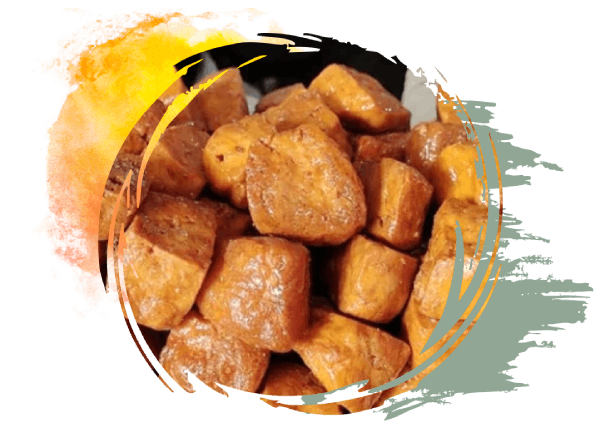
Belgrami (Udwant Nagar)
Belgrami is another sweet preparation of Bihar, which is made from cheese, sugar and ghee. The place in Bihar that is most famous for this sweetmeat is Udwantnagar, which falls between Arrah and Buxar.
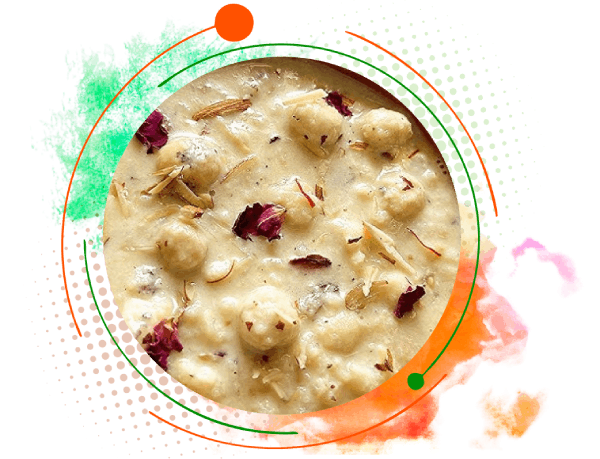
Kheer Makhana (Darbhanga)
If you have come to Bihar and not tasted Kheer-Makhana, then your trip is as good as incomplete. It is a sweet dish prepared with milk, sugar and makhana, considered to be a specialty of the Darbhanga region of north Bihar.
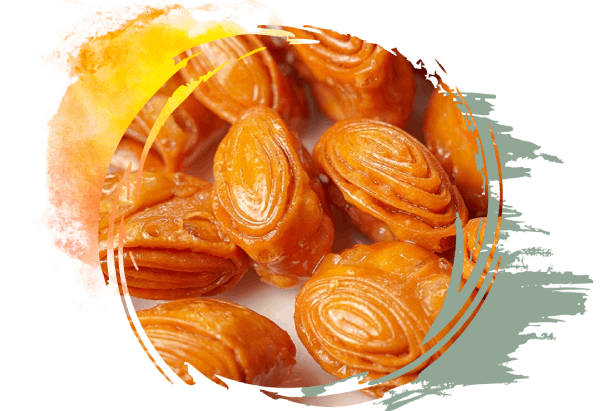
Silao Khaja (Nalanda)
Silao village situated 25km from biharsharif and 8 km from rajgir, is known for its ancient tradition of khaja making. A sweetmeat prepared with maida (wheat-flour), sugar and ghee, it is available in many varities – chandshahi, round, palvidar and Gandhi topa. Amongst these, the one with rectangular shape is the most popular.
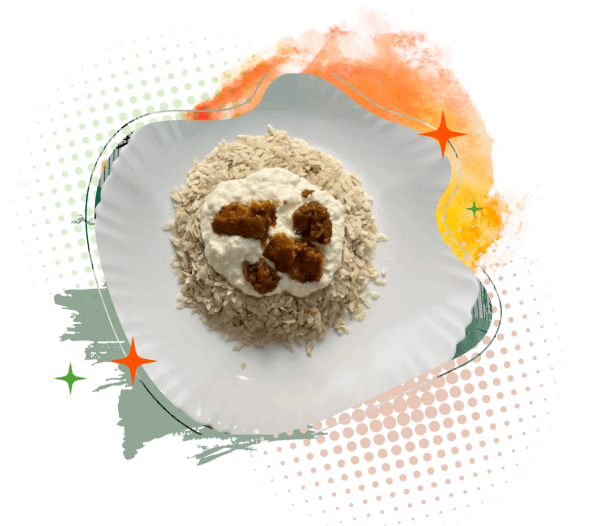
Dahi-Choora
It is beaten rice usually served with the coat of creamy curd and sugar or jaggery and it therefore remains best breakfast choice in the wintertime. Once baked mildly with an addition to peas and onions and it looks tasty to eat.
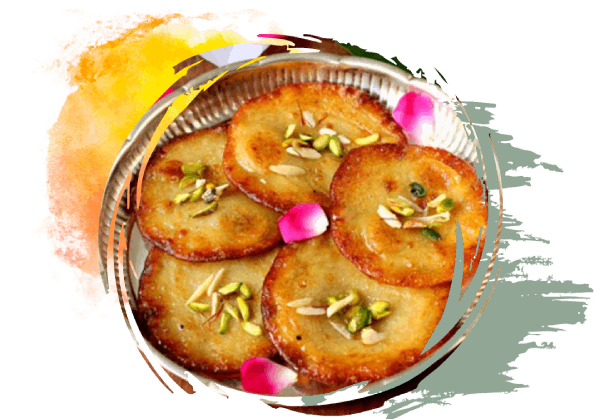
Malpua
The luscious and mouth watering malpua, which is a speciality of bihar is prepared from a combination of maida milk banana grated coconut cashew nut raisin sugar water and green cardamom, fried in ghee
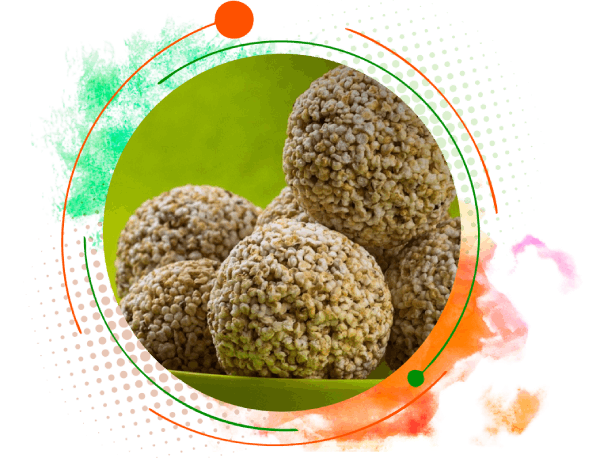
Khoye-Ki-Laai (Barh)
Barh, a smaal town in patna district that lies between bakhtiarpur and mokama is famous for laai, a ball or cake-shaped sweet that is prepared with ‘khobi’ or ‘ramdana’ seeds, ‘khoa’ and sugar. Ramdana or Amaranth in English is now a days getting popularity world wide as one of the super foods, however, this super food has been present in Bihari cuisine since time immemorial.
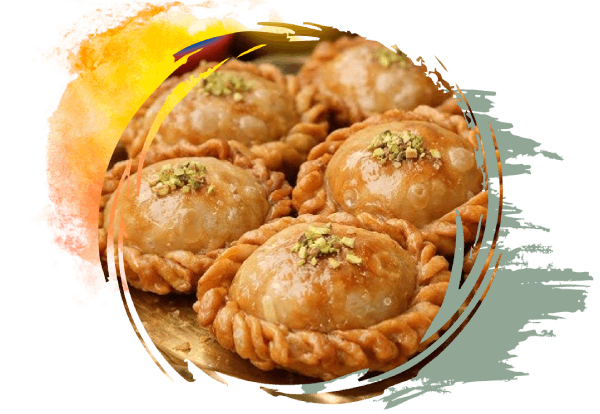
Chandrakala
Very similar to Gujia, Chandrakala is another heavenly dessert for those with a sweet tooth. Stuffed with sweetened khoya, coconut, cardamom powder and dry fruits in a crispy covering and dipped in sugar-syrup, Chandrakala is a dish from the traditional food of Bihar that is enough to sweeten your senses!
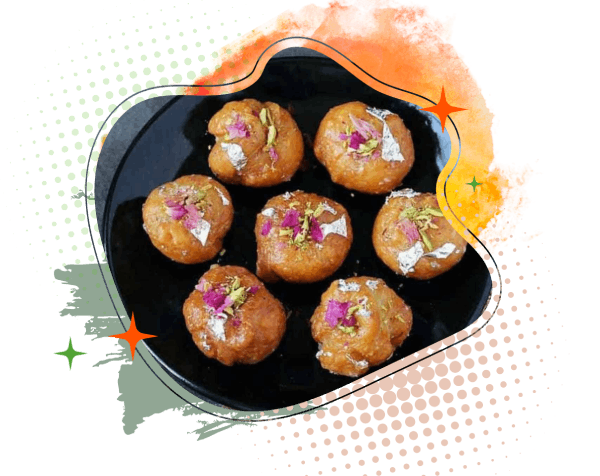
Balushahi
A sweet, porous flour cup, enclosing a litany of flavours in the Khoya inside – that’s the Bihari food dish, the Balushahi for you. Every time you bite into one, you don’t just taste a sweet. You taste the love of the wonder, that is the food of Bihar. The sweet is filled with mildly sweetened khoya and spices like cardamom and cinnamon, sometimes even flavoured with the opulent saffron for added taste and fragrance. The flour bowl is then closed and deep fried until perfection.
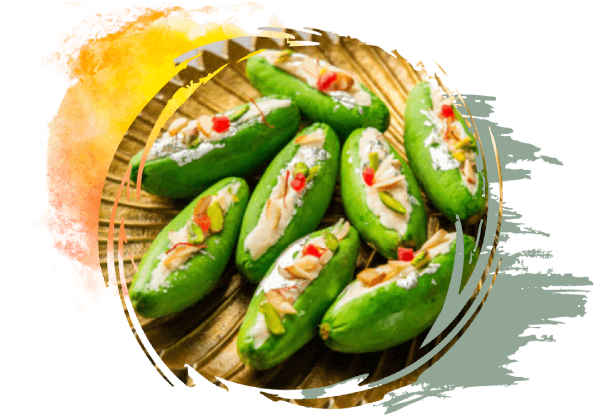
Parwal ki Mithai
Biharis sure seem to have a sweet tooth. Yes you read that right, they even turned the plain old vegetable like parwal/patol (pointed gourd) into a sweet dish, reverberant of the food of Bihar, and it tastes heavenly. The inner pulp of the parwal is scooped out, bolied, dipped in syrup and filled with sweet khoya preperation. The end result looks as royal as it tastes!
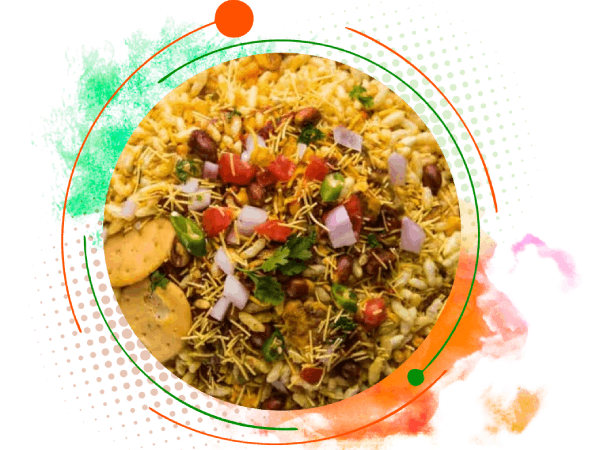
Bhunja
In the evening, a range of bhunjas are consumed like chura ka bhunja (beaten rice shallow fried with sliced onions, chopped green chillies and green peas), makai ke lawa (popcorn), chana ka bhunja, mungphalli dana, masaledar murhi (puffed rice mixed with chopped green chillies, onion, coriander leaves, salt and a few drops of mustard oil) etc. These bhunjas are prepared at home. In villages there used to be a common kitchen specially meant for bhunjas called kansari. Today, mostly in the urban areas of Bihar, bhunjas are prepared and sold by vendors. Most of them roast the grains in hot sand or salt, while being constantly heated in a kadhai or earthen handi.
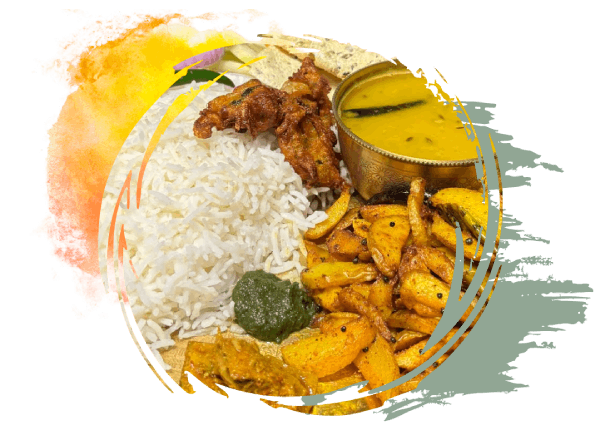
Bihari Thali
It is composite food choice from Bihar whose ingredients keep changing on the basis of the specific seasons but commonest of its ingredients that remain constant in this dish throughout the year include rice, roti, achar, chatni, dals and milk besides variety of sweets.
Fairs
Fairs of Bihar
Bihar is located in the eastern part of India and it shares the passion and zeal of celebrating the established and spiritual fairs and festivals of India with the rest of the country. Fairs and festivals have always been an essential part of life in Bihar.
These fairs are relevant in the way that they narrow the gaps between different communities by bringing them closer and give them a reason to enjoy and celebrate. These fairs may last from one single afternoon to several weeks. There exist different variations of fairs, including street fairs, agricultural fairs, state fairs, trade fairs and so on. Each of these fairs denotes vivacity, color, high spirit, dedication, ebullience, peace, power, humanity, artistic performances, prayers and rituals. Some of the fairs most prevalent in Bihar are described in the following.
Sonepur Mela
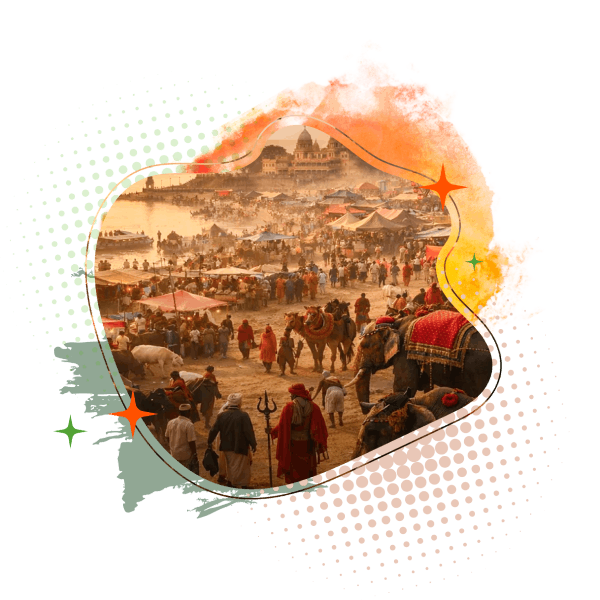
Sonepur Mela, also known as the Harihar Kshetra Mela and Sonepur Cattle Fair, is one of Bihar’s most iconic representations of its rich cultural, historical, and religious heritage. Held at the sacred confluence of the Ganga River and Gandak River in Sonepur (Saran), the fair begins on the auspicious occasion of Kartik Purnima and continues for a month. Its religious significance is deeply rooted in the legend of Gajendra Moksha, where Lord Vishnu is believed to have rescued an elephant from a crocodile at this very site; the nearby Harihar Nath Temple, dedicated to both Vishnu (Hari) and Shiva (Hara), attracts thousands of devotees who take a holy dip and offer prayers. Historically, the fair dates back to ancient times and is associated with Chandragupta Maurya, who is believed to have procured war elephants and horses from here, while traders from as far as Central Asia once participated in its vibrant markets.
Today, it is regarded as Asia’s largest cattle fair, combining traditional livestock trading with a grand display of rural commerce, folk culture, handicrafts, local cuisine and entertainment, making it a major socio-cultural and tourism event in Bihar. The fair is also a marketplace for rural Bihar, selling everything from agricultural tools and furniture to Madhubani paintings and local handicrafts. The Mela is also famous for its ‘theatre’ and carnival atmosphere, where performances by folk artists, singers and theatre troupes are enjoyed by many.
Pitrapaksha Mela
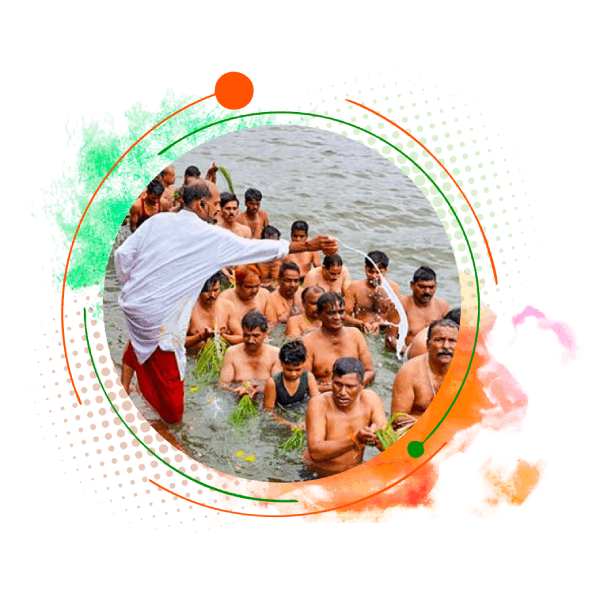
Pitrapaksha Mela, held in the sacred city of Gaya, is one of Bihar’s most spiritually significant events, dedicated to honoring ancestors through ancient Hindu rites. Observed annually during the 16-day period of Pitrapaksha (September–October), the mela attracts devotees from across the world who come to perform ancestral offerings believed to ensure peace and liberation for departed souls. Rooted in the legend of Gayasur and the blessings of Lord Vishnu, Gaya is regarded as the most sacred place for these rituals, with the revered Vishnupad Temple serving as the focal point. Pilgrims begin with a ritual bath in the Phalgu River and follow a traditional circuit of sacred sites, including the eternal Akshayavat. Combining deep-rooted mythology, structured rituals and global participation, the Pitrapaksha Mela represents Bihar’s enduring spiritual heritage and its importance in religious tourism.
Shrawani Mela
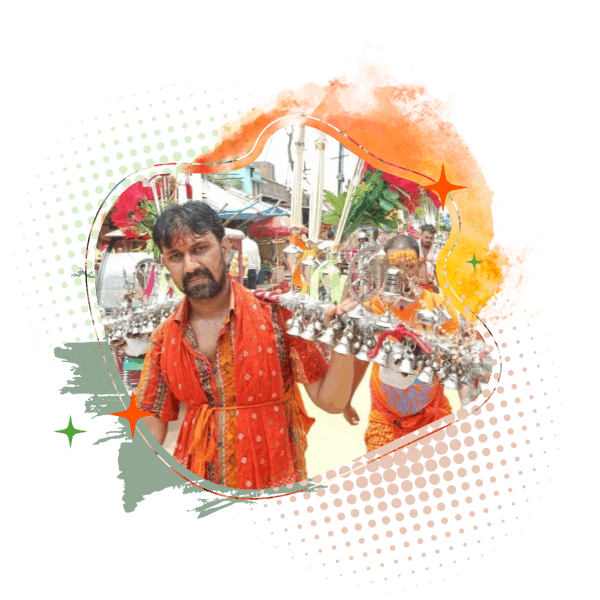
Shravani Mela is a major, ancient and religious event of Bihar, observed annually during the holy month of Shravan. The principal center of the mela is Sultanganj (Bhagalpur), where devotees collect sacred water from the north-flowing Ganga River near the revered Ajgaibinath Temple and undertake a traditional pilgrimage to Baidyanath Dham (Deoghar, Jharkhand). Historical and mythological traditions indicate that this practice has been followed since ancient times and has evolved into a large-scale expression of collective faith. During this period, prominent Shiva temples across the state, including Garibnath Temple (Muzaffarpur), Singheshwar Nath Temple (Madhepura), Harihar Nath Temple (Saran), Budhanath Temple (Bhagalpur) and Siddheshwar Nath Temple (Jehanabad) witness a significant influx of devotees. The entire event is marked by disciplined participation, devotional practices, and spiritually vibrant atmosphere.
Saurath Sabha
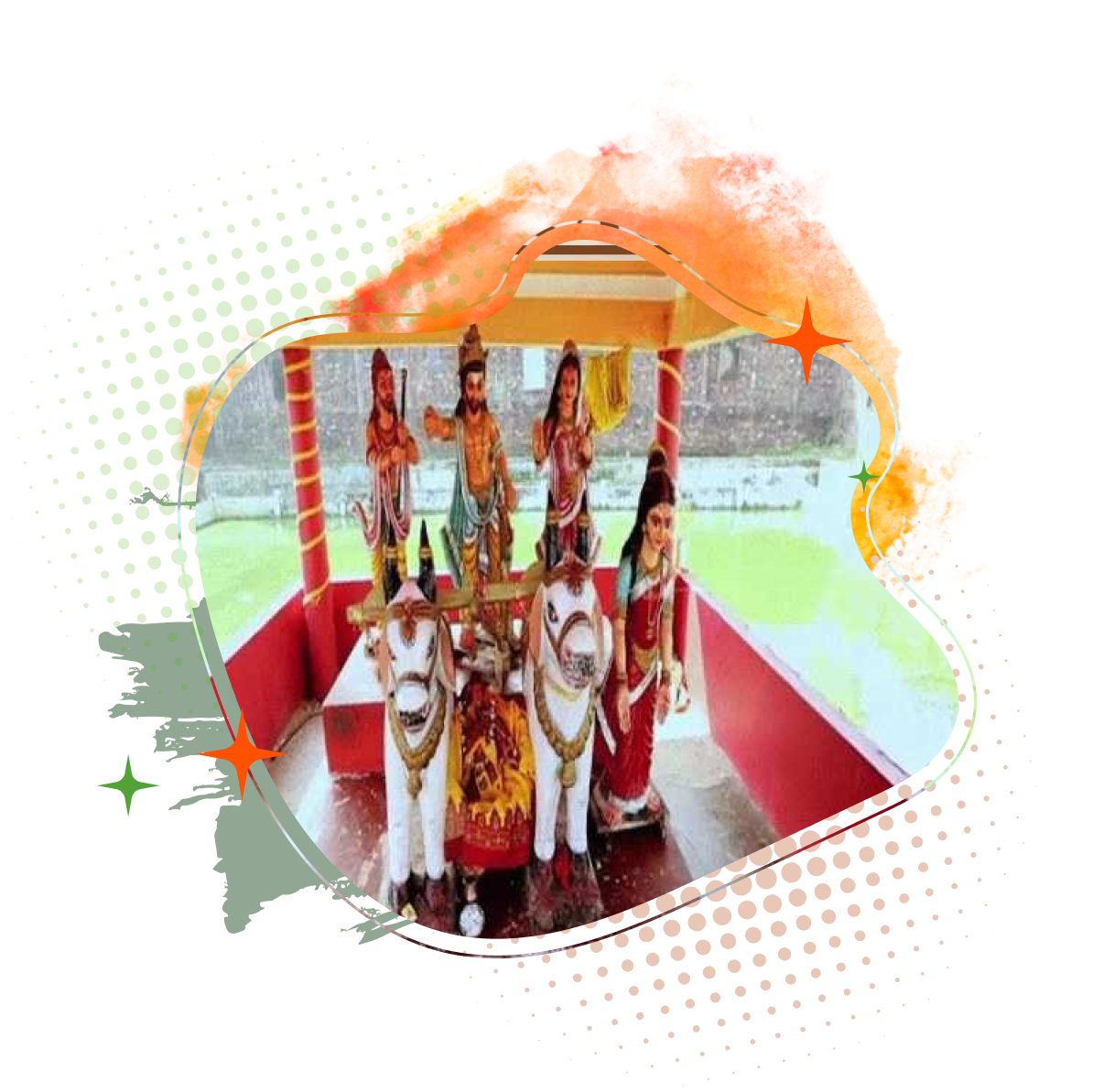
Saurath Sabha, also known as Sabha Gachhi, is a distinctive socio-cultural tradition of Bihar’s Mithila region, held in Madhubani. Unlike conventional fairs, this centuries-old gathering functions as a structured matrimonial assembly for Maithil Brahmins, rooted in the unique system of genealogical verification known as Panji System. Established during the reign of King Hari Singh Dev, the system is managed by traditional registrars (Panjikars) who meticulously maintain family lineages and ensure eligibility for marriage by verifying ancestral records. The event takes place in a serene orchard setting, where families interact and finalize alliances following due approval through traditional certification. Associated with the cultural ethos of Mithila and supported by nearby sacred sites such as the Somnath Mahadev Temple, the Sabha reflects a unique blend of social order, tradition and heritage. Recognized for its historical depth and cultural relevance, Saurath Sabha stands as a remarkable example of Bihar’s indigenous systems of community organization and matrimonial customs.
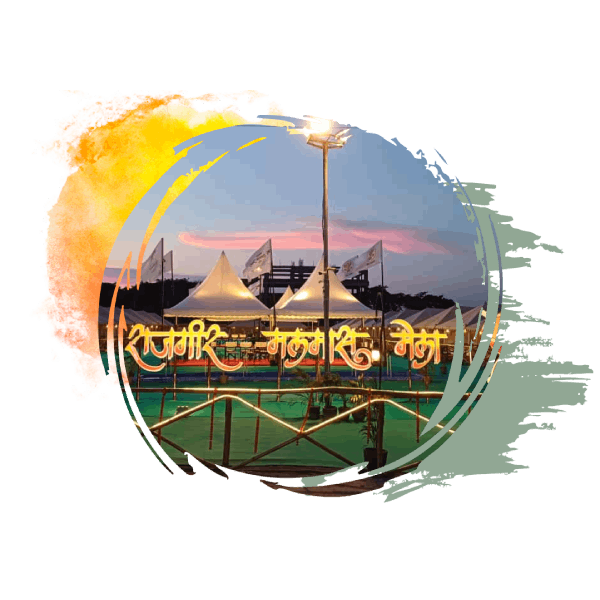
Malmas Mela
Malmas Mela, held in the ancient city of Rajgir, is one of Bihar’s most unique spiritual gatherings, taking place once every three years during the sacred month of Adhik Maas (Malmas). Rooted in Vedic belief, this period is dedicated to Lord Vishnu, when it is said that millions of deities descend to Rajgir, transforming it into a divine spiritual center. The mela is centered around the holy hot springs, especially Brahmakund, where devotees take ritual baths believed to purify the soul and grant immense spiritual merit. Pilgrims also visit various sacred kunds and temples across the surrounding hills, while acts of charity and devotion mark the essence of the festival. Blending mythology, faith, and natural heritage, the Malmas Mela stands as a distinctive symbol of Bihar’s deep-rooted religious traditions and spiritual tourism.